“Herbal Medicine, Bad for the Liver?”
It is a story that conventional Western hospitals and clinics have spread for a long time almost like ‘common knowledge.’
However, in a recent large-scale study utilizing vast Health Insurance Review and Assessment Service (HIRA) data reaching 67 thousand people,
it was officially confirmed that the risk of liver injury caused by herbal medicine is virtually nonexistent or extremely minimal.
1) “Is herbal medicine bad if you have an underlying liver disease?” Is this really true?
- In fact, it is true that if a patient who already has liver disease takes herbal medicine arbitrarily on their own, it can become a burden on the liver.
- However, when there is an underlying disease, herbal medicine prescriptions that improve that disease itself also exist.
- Example: There are numerous herbal medicines that 'protect and treat' the liver, such as replenishing the energy of the liver or improving bile secretion.
- Because herbal medicine is customized based on individual constitution and medical history, if used appropriately, it can rather help to recover and improve liver function.
Key Point: It is not that herbal medicine is unconditionally bad just because you have liver disease; the key is which herbal medicine is used and how it is used.
2) 'Herbal Medicine' has 'Tens of Thousands of Combinations': Fallacy of Generalization
- While conventional Western pharmaceuticals are primarily close to single-ingredient medicines,
- Herbal medicine can combine hundreds of medicinal herbs into dozens of ingredients, so the combination possibilities exceed tens of thousands.
- Completely different prescriptions are generated depending on each individual's constitution, symptoms, and medical history;
- concluding that these are "all bad for the liver" is an error similar to lumping all food together and saying it is "bad for the body."
3) “Doctors telling patients not to take herbal medicine is a statement that disregards the diversity of tens of thousands of herbal medicines”
- In fact, when conventional doctors tell a patient, “Do not take herbal medicine,”
- in many cases, they themselves do not consider that herbal medicine is divided into thousands to tens of thousands of prescriptions.
- For example, herbal medicines that can be used for a cold and herbal medicines used for digestion are completely different.
- A blanket warning that any herbal medicine is unconditionally "harmful to the liver"
- is not much different from saying, "All food is dangerous, so do not eat anything."
Reality: Because herbal medicine is premised on customized prescription,
it "can become a poison or it can become a medicine" depending on the patient's liver condition, constitution, and symptoms.
Ruling it out entirely without medical judgment is irrational.
‘Safety of Herbal Medicine’ Confirmed in a Large-Scale Study
- Study Overview: Utilized HIRA claims data from 2011 to 2019, targeting 67 thousand patients with drug-induced liver injury (DILI).
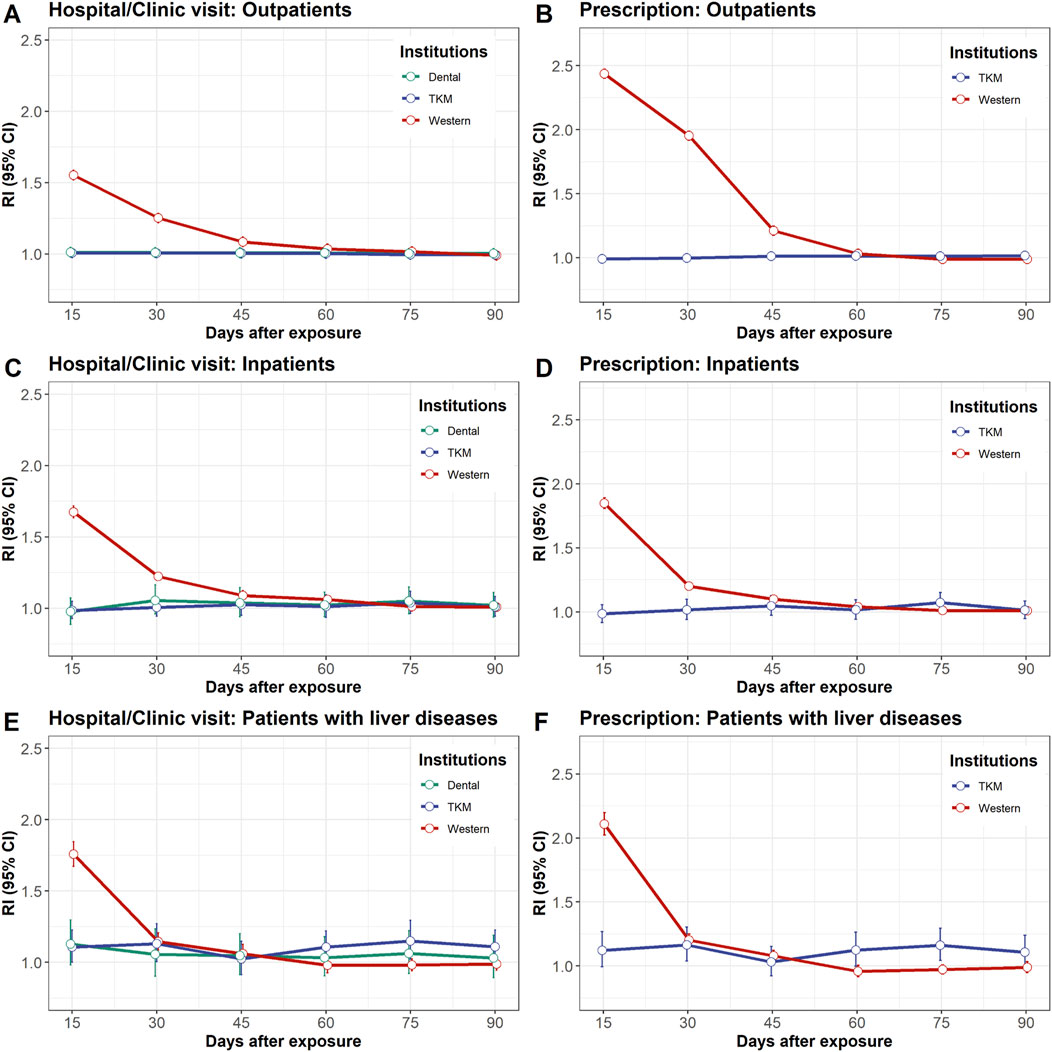
- Summary of Results: After taking herbal medicine prescribed by Korean medicine hospitals and clinics, the risk of liver injury occurring showed almost no statistically significant increase (about 1.01). In contrast, conventional Western prescribed pharmaceuticals showed a 1.55- to 2.44-fold increase in risk.
- Significance: Large-scale cohort data proved that the claim that herbal medicine is the primary cause of liver injury lacks scientific evidence.
“Then is herbal medicine 100% unconditionally safe?” - Customized prescription is important
- The vast majority of people with normal liver function:
- Concerns that “taking herbal medicine damages the liver” rarely need to be had.
- Rather, there are many prescriptions that invigorate the body overall and support liver function.
2. Underlying liver disease (e.g., hepatitis B, fatty liver, cirrhosis, etc.):
- This does not mean you must avoid herbal medicine unconditionally, but rather that you need to appropriately select “herbal medicine capable of treating liver disease.”
- When a professional Korean medicine doctor closely examines the patient's liver condition and prescribes, it may rather help the liver.
3. Caution: Herbs arbitrarily prepared through self-diagnosis (of unclear origin), etc., are exceptions
- Indiscriminately preparing and taking medicine from places that are not ‘official medical institutions’ is risky not only for the liver but also for systemic health.
- Therefore, it is best to consult with a Korean medicine specialist to receive an individually customized prescription.
Conclusion: “Herbal medicine, liver toxicity? → Now set aside groundless misunderstandings.”
- Facts revealed by research:
- As a result of analyzing credible data, the risk of liver injury after herbal medicine prescription is minimal.
- Rather, a trend was confirmed where liver toxicity occurred more often on the side of conventional general pharmaceuticals.
2. Herbal medicine prescriptions vary depending on the presence of liver disease
- Even individuals who already have a disease in the liver can take herbal medicine that treats the liver according to their situation.
- The statement that “herbal medicine is strictly prohibited for people with poor liver health” is not correct.
3. "Tens of thousands of herb combinations = herbal medicine = liver toxicity" is a sweeping fallacy
- For a prescription formulated by "meticulously" combining safe and legitimate medicinal herbs at a Korean medicine clinic, it is difficult to lump it together as harmful, just like the saying that “all food is bad for the body.”
“Do not give up solely based on a doctor's words on herbal medicine that might genuinely treat your liver.”
- Through scientific evidence, we have now confirmed that indiscriminate generalizations such as “herbal medicine ruins the liver” are erroneous.
- Because herbal medicine can be prescribed in countless combinations tailored to an individual's constitution and disease state, please be sure to remember that the claim that “all of them are harmful to the liver” is not true.
- “You cannot take it if you have an underlying liver disease?” No, there are also many herbal medicines that treat that disease. If you consult with a professional Korean medicine doctor, you may even expect improvement in liver function.
Tip: Rather than hesitating by listening only to one-sided remarks from the media, hospitals, or people around you, we recommend receiving a systematic diagnosis from a professional Korean medicine doctor at an official medical institution (Korean medicine clinic or Korean medicine hospital).
Closing
“Now set aside the outdated stereotype regarding herbal medicine and liver toxicity that has been spread for a long time.
If you find a customized prescription suited to your liver and body among tens of thousands of herbal medicine prescriptions,
far from worsening, your liver function can become more robust.”
“Herbal medicine harms the liver?
No, herbal medicine may even treat your liver.**