
Although the exact causes of inflammatory bowel disease, particularly ulcerative colitis and Crohn's disease, remain uncertain, recent studies are scientifically demonstrating that stress plays a pivotal role in exacerbating these conditions.
Ulcerative Colitis and Crohn's Disease
Ulcerative colitis and Crohn's disease are chronic conditions characterized by inflammation of the digestive tract. While ulcerative colitis is confined to the colon (large intestine), Crohn's disease can affect any part of the digestive system. Both diseases commonly produce symptoms ranging from abdominal pain, severe diarrhea, and weight loss to fatigue and even skin problems.
The Stress-Inflammation Link
Stress affects the body in diverse ways. It raises blood pressure, triggers migraines, disrupts sleep, and can even upset our digestive rhythm. But how is it directly related to inflammatory bowel disease?
-
Gut-Brain Axis: There is a direct communication pathway known as the gut-brain axis between our intestines and our brain. Stress can disrupt this delicate balance and lead to gastrointestinal symptoms.
-
Immune Response: Chronic stress weakens our immune system. When immune function declines, the body may attack its own cells in the intestines, causing inflammation.
-
Bacterial Balance: Stress can alter the balance of good and bad bacteria in the gut, inducing inflammation.
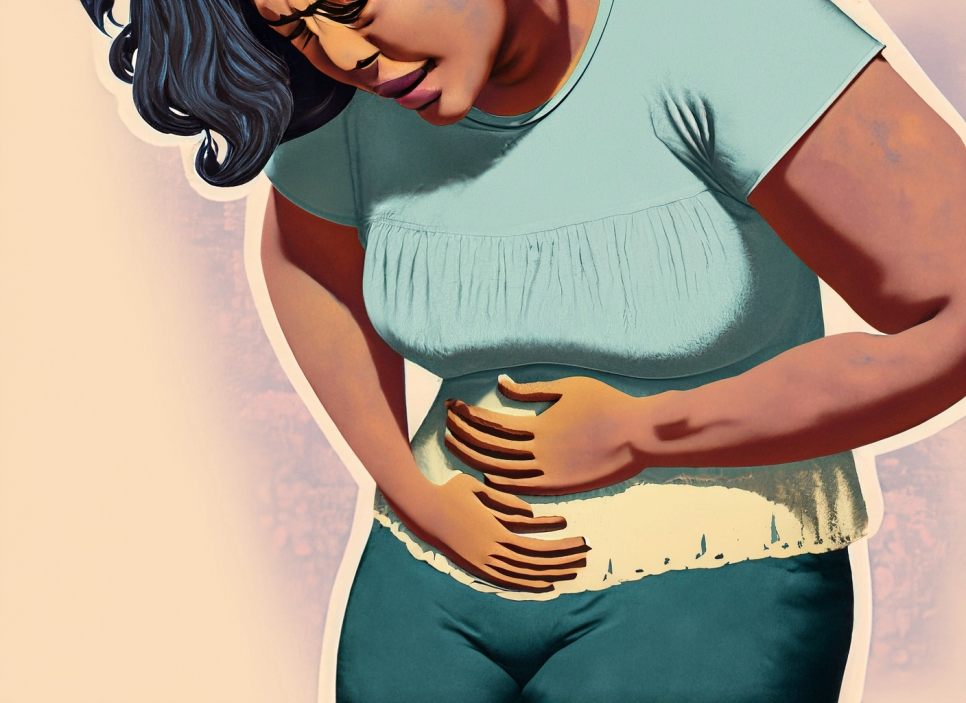
Analyzing and Resolving Stress
To effectively cope with the exacerbation of ulcerative colitis or Crohn's disease caused by stress, it is necessary to understand the nature of stress itself. Stress is not merely feeling overwhelmed or anxious. It can manifest in countless forms:
-
Anger: rapid heartbeat, a surge of energy, and digestive disturbances.
-
Depression: lethargy, fatigue, and again, digestive disturbances.
-
Worry: chronic worrying can create a cycle of physical symptoms including anxiety and gut issues.
-
Loss of Self-Esteem: affects self-worth and can lead to social isolation, adding another layer of stress.
-
Loneliness: isolation can weaken the immune system, increasing susceptibility to inflammation.
The Role of Professional Consultation
Knowing the intricate details of a person's stress is the first step toward a solution. At INI Korean Medicine Clinic, we can help analyze the nature of stress, its causes, and its impact on physical health. In addition, coping strategies, relaxation techniques, and cognitive behavioral interventions can be provided to reduce stress and its effects on the digestive system.
The Wisdom of Korean Medicine
Korean medicine has long understood the connection among emotions, stress, and physical health. With a holistic approach, it is especially well-suited to treating conditions affected by stress. Acupuncture, moxibustion, and herbal medicine are used to address both physical symptoms and underlying emotional factors. Through this process, a delicate balance of body and mind can be cultivated.
In Conclusion
The complex relationship between stress and inflammatory bowel diseases such as ulcerative colitis and Crohn's disease cannot be overlooked. By acknowledging this connection, seeking professional consultation, and utilizing the wisdom of Korean medicine, patients can look forward to a future where they find relief not only physically, but also emotionally.